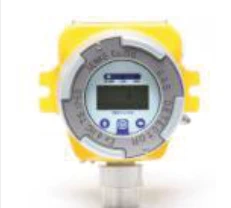
Fixed Gas Detection 2 Instruments Available

VOC Gas Detection in India

VOC monitoring for solvents, chemicals and hazardous process areas. This page is structured for buyers comparing VOC Gas Detection by application, hazard type, operating environment, certification need and service requirement. Detection Technology helps with consultation, product selection, supply, installation, commissioning and ongoing support.

ISO 9001:2015
30+ Yrs Field Expertise
Fast India Supply
Calibration & AMC

Products Catalog

VOC Gas Detection Products

2 products

Need Technical Guidance for VOC Gas Detection?

Detection Technology helps plants evaluate target gas hazards, ppm/LEL thresholds, hazardous area approvals (PESO / ATEX), and complete control panel integration.

Applications

Where VOC Gas Detection is used

Plant safety Maintenance shutdowns Hazard monitoring Emergency response

Common sectors include Oil and gas, Petrochemical, Chemical, Pharma, Steel, Mining, Automotive. Final product selection should be verified against gas hazard, area classification, alarm philosophy and service access.

TECHNICAL & REGULATORY FAQs

Engineering FAQs: VOC Gas Detection

Key compliance, sensor technology, mounting elevation, and calibration answers for plant engineers and safety managers.

Why is photoionization (PID) mandatory for measuring volatile organic compounds (VOCs)?

Standard catalytic and infrared sensors lack the sensitivity to detect toxic VOCs (Benzene, Toluene, Xylene, IPA) at low sub-PPM exposure levels. A PID sensor utilizes an ultraviolet (UV) lamp (standardly 10.6 eV) to ionize VOC molecules into detectable ions, providing immediate sub-PPM toxic resolution.

💡
Have a specific project or hazardous area specification?

Our senior instrumentation engineers provide detector grid mapping, gas dispersion guidance, and turnkey BOQ estimates.