5
→
Combustible Gas Detectors
Combustible gas detection for hydrocarbon, solvent and process safety hazards.
Browse 5 items →
Fixed detectors, transmitters and plant gas monitoring systems. This page is structured for buyers comparing Fixed Gas Detection by application, hazard type, operating environment, certification need and service requirement. Detection Technology helps with consultation, product selection, supply, installation, commissioning and ongoing support.
Sub Categories
Combustible gas detection for hydrocarbon, solvent and process safety hazards.
Browse 5 items →Toxic gas detectors and sensor modules for plant safety and exposure control.
Browse 5 items →VOC monitoring for solvents, chemicals and hazardous process areas.
Browse 2 items →Open path gas detection for perimeter, storage and process-area coverage.
Browse 0 items →Products Catalog
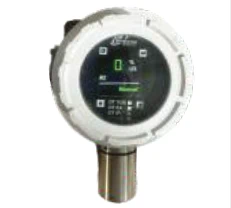
Fixed combustible gas detector measuring flammables with color graphic display, diagnostics, 4-20mA and RS-485 output.
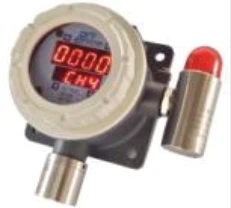
Fixed catalytic bead and infrared combustible gas detector with rugged LED/LCD screen, self-diagnostics, 4-20mA loop and RS-485 Modbus.
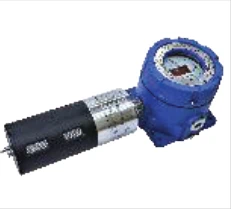
Microprocessor-based infrared combustible gas detector with nixie tube display, 4-20mA, 3 alarm relays, RS485 and HART.
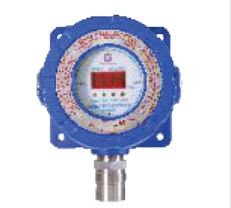
Intelligent combustible gas detector adopting smart sensor technology with automated remaining sensor life tracking.
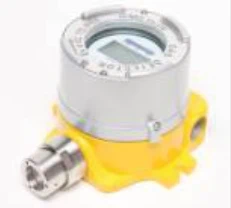
Fixed combustible gas detector with backlit LCD display, internal diagnostics, 4-20mA and RS-485 output.
Applications
Common sectors include Oil and gas, Petrochemical, Chemical, Pharma, Steel, Mining, Automotive. Final product selection should be verified against gas hazard, area classification, alarm philosophy and service access.
TECHNICAL & REGULATORY FAQs
Key compliance, sensor technology, mounting elevation, and calibration answers for plant engineers and safety managers.
Mounting elevation strictly follows gas vapor density relative to ambient air (Air = 1.0). Heavy gases (LPG: 1.5–2.0, H₂S: 1.19, Chlorine: 2.45, CO₂: 1.52) sink and must be mounted 30 cm to 60 cm above floor level. Lighter-than-air gases (Methane: 0.55, Hydrogen: 0.07, Ammonia: 0.59) rise and must be installed within 30 cm of the ceiling or directly above high-risk leak flanges.
Electrochemical toxic sensors require calibration verification every 3 to 6 months. Catalytic pellistors require calibration every 3 to 6 months depending on process severity. Non-Dispersive Infrared (NDIR) hydrocarbon transmitters feature optical auto-zeroing and typically require span verification once every 12 months.
Our senior instrumentation engineers provide detector grid mapping, gas dispersion guidance, and turnkey BOQ estimates.